-
Weight loss medications can lead to steady, yet dramatic, weight loss, reducing body weight by up to 15-20% with long-term use.
-
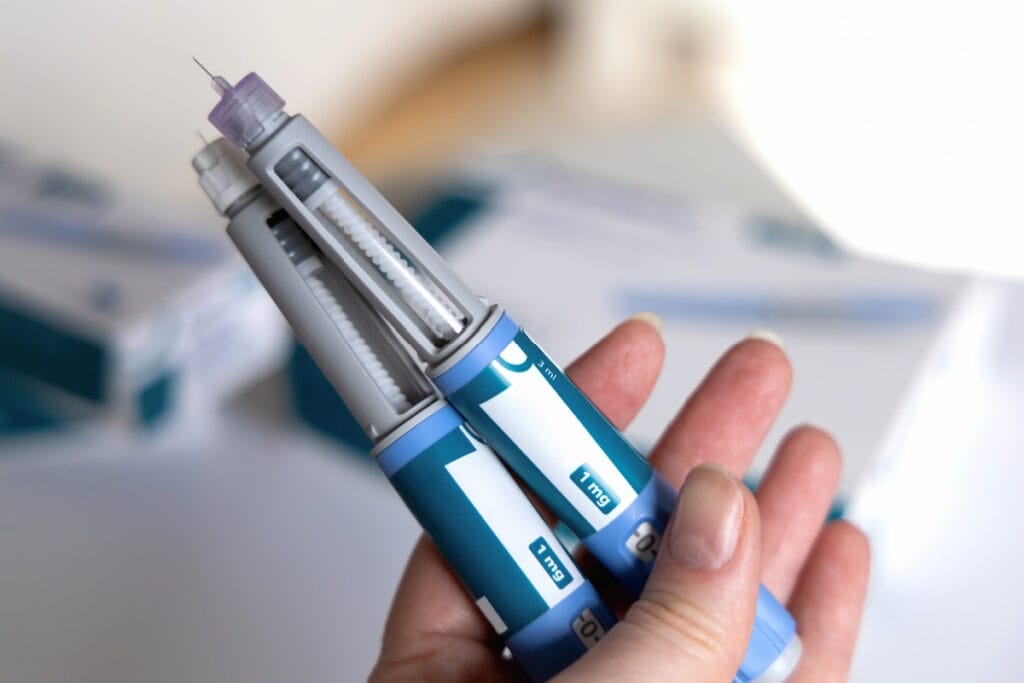
Options include once-weekly injections or daily pills, depending on the medication.
-
Stopping treatment can lead to weight regain, so it is key to work with an experienced provider who can help you develop a sustainable diet & exercise plan during treatment.
-
Weight loss medication may help patients prepare for optimal results from body lift (excess skin removal) procedures such as arm lift, thigh lift, tummy tuck, and 360-degree body lift.
When lifestyle change alone is not enough, many cosmetic surgery patients turn to prescription options to kick-start sustainable weight management. Used alone or to prepare for surgery, weight loss medications are a popular and dependable way to manage weight.
Why Consider Medication for Weight Loss?
Healthy eating and regular exercise remain cornerstones of weight control, but for many people they are not enough to overcome the metabolic and hormonal drivers of obesity. FDA-approved weight-loss medications give qualified patients an evidence-based tool to reduce disease risk, improve mobility, and boost confidence while supporting the creation of healthy lifestyle habits.
Are You a Candidate?
You may benefit from medication-assisted weight loss if you:
- Have a body-mass index (BMI) of 30 or higher, or a BMI over 27 with a weight-related condition such as high blood pressure, cholesterol, or blood sugar. Calculate your BMI here.
- Have tried structured nutrition and activity programs without achieving or maintaining meaningful weight reduction.
- Are committed to long-term lifestyle change and regular medical follow-up.
- Are not pregnant, planning pregnancy, or breastfeeding, and do not have a personal history of certain endocrine tumors or severe gastrointestinal disease (your physician will screen your medical history for these contraindications).
Weight-loss drugs are designed to support—not replace—nutritious eating and physical activity, so it is ideal to pursue this option once you are prepared to commit to a long-term, sustainable healthy lifestyle.
Common Side Effects
The most common side effects of weight loss medications are gastrointestinal (GI) symptoms:
- Nausea and vomiting
- Diarrhea
- Constipation
- Abdominal discomfort
Doctors prescribing weight loss medications should follow up with you frequently about these and any other side effects you are experiencing. If they do not, this is a red flag, and it is a good idea to find a new doctor who is committed to helping you minimize side effects big and small, as well as helping you maintain weight loss long term by advising on nutrition (including adequate protein and hydration).
Monitoring & Symptoms of Serious Side Effects
Your prescribing doctor should conduct baseline labs and begin your dose very low, monitoring progress and increasing your dose as needed to help you see results while keeping you safe. Expect your physician to:
- Review your medical history and family history for a risk of thyroid cancer, for which these medications carry a black-box warning
- Conduct baseline labs
- Start at the lowest effective dose and escalate gradually to minimize GI symptoms
- Monitor progress every 4-12 weeks
- Watch for red-flag symptoms such as severe abdominal pain, persistent vomiting, or signs of thyroid inflammation (and stop treatment if necessary

- Benefits & Limitations
- Glossary
- Clinically meaningful weight loss
- Improved cardiometabolic markers like blood pressure, A1C, and cholesterol
- Non-surgical, with zero downtime
- Can make physical activity easier and more enjoyable, reinforcing healthy habits
- Nausea and gastrointestinal side effects are common
- Insurance coverage is unlikely if you do not have diabetes or meet certain conditions
- Long-term therapy of a year or more is usually required to achieve your goals; discontinuation often leads to partial or complete regain
A1C (Hemoglobin A1C): A blood test that estimates average blood sugar over about three months and helps track metabolic health during treatment.
Adherence: How consistently you follow your prescribed dosing and lifestyle plan, which strongly influences results.
Adipose Tissue: Body fat that these medications help reduce by lowering appetite and improving metabolic signals.
Adverse Effects: Unintended symptoms like nausea, vomiting, constipation, or diarrhea that are usually mild and improve with dose titration.
Appetite Suppression: A reduced drive to eat, caused by medication effects on hunger and satiety centers in the brain.
Baseline Labs: Initial blood tests—such as A1C, lipids, kidney and liver function—used to guide safe treatment and monitor progress.
BMI (Body Mass Index): A height-to-weight ratio used to screen eligibility for anti-obesity medications.
Body Composition: The proportion of fat mass and lean mass in your body, which guides protein goals and resistance training to protect muscle.
Cardiometabolic Risk: The combined risk of heart disease and metabolic conditions that often decreases with weight loss.
Constipation: A common, usually temporary side effect managed with hydration, fiber, activity, and sometimes gentle stool softeners.
Contraindication: A condition that makes a treatment unsafe.
Delayed Gastric Emptying: Slower movement of food from the stomach that helps you feel full longer but can increase reflux or nausea.
Dose Escalation (Titration): Gradually increasing the dose over weeks to improve tolerance and reduce side effects.
Dose Plateau: The point where your maintenance dose stays steady for continued benefit with fewer side effects.
Dyspepsia: Indigestion or upper-abdominal discomfort that may occur early in treatment and typically lessens with time.
Eligibility Criteria: Medical guidelines for starting therapy, commonly BMI ≥ 30 or ≥ 27 with a weight-related condition.
Electrolytes: Blood salts like sodium and potassium that can shift with dehydration from vomiting or diarrhea.
GLP-1 Receptor Agonist: A medication that mimics the GLP-1 hormone to increase fullness, slow gastric emptying, and aid weight loss.
Glycemic Control: How steadily your blood sugar stays in a healthy range, which often improves on these medications.
Heartburn (Reflux): A burning chest sensation that can occur with delayed gastric emptying.
Incretin Hormones: Natural gut hormones (GLP-1 and GIP) that signal fullness, enhance insulin, and reduce appetite after meals.
Injection Site Reaction: Redness, itching, or tenderness where medicine is injected that usually resolves quickly.
Insulin Resistance: Reduced response to insulin that improves with weight loss and therapy.
Insurance Prior Authorization: Approval required by insurers before covering medication costs, often requiring documentation of eligibility.
Interruption and Retitration: Restarting at a lower dose after missed doses or illness to reduce side effects.
Lean Mass: Muscle and other non-fat tissues that we aim to preserve with adequate protein intake and resistance exercise during weight loss.
Lifestyle Adjunct: The diet, activity, sleep, and stress habits that support medication results and long-term maintenance.
Long-Acting Medication: A formulation designed for once-weekly dosing to keep levels steady.
Maintenance Dose: The ongoing dose you continue after titration that balances benefits and tolerability.
Medullary Thyroid Carcinoma (MTC): A rare thyroid cancer that is a key contraindication to these medications.
MEN2 (Multiple Endocrine Neoplasia Type 2): A genetic syndrome that increases thyroid cancer risk and is a contraindication to therapy.
Muscle Loss (Sarcopenia): Unwanted loss of lean mass during weight loss, minimized by protein intake and strength training.
Nausea: A common early side effect that often improves by eating smaller, slower, and lower-fat meals.
Nutritional Counseling: Professional guidance on protein targets, fiber, hydration, and meal structure to optimize results.
Off-Label Use: Prescribing a medication for a purpose not specifically listed on its label when supported by clinical judgment.
Pancreatitis: Inflammation of the pancreas signaled by severe, persistent upper-abdominal pain; stop medication and seek care if suspected.
Perioperative Hold: Temporarily pausing medication before anesthesia or sedation due to delayed gastric emptying.
Plateau (Weight-Loss Plateau): A period when weight stabilizes despite continued treatment, often addressed by habit tuning or dose adjustment.
Protein Target: A daily protein goal that helps preserve muscle and reduce hunger during weight loss.
Rebound Weight Gain: Regain that can occur after stopping medication without a maintenance plan; gradual taper and lifestyle skills help prevent it.
Renal Impairment: Reduced kidney function that warrants careful hydration and monitoring when using these medications.
Retitration (After Missed Doses): Stepping back to a previously tolerated dose to restart safely after an interruption.
Satiety: The sensation of fullness that helps reduce calorie intake and snacking.
Semaglutide: A GLP-1 receptor agonist used for chronic weight management and glycemic control.
Subcutaneous Injection: A shallow injection into the fat layer of the abdomen, thigh, or upper arm.
Telogen Effluvium: Temporary hair shedding that can follow rapid weight loss and typically resolves as nutrition stabilizes.
Tirzepatide: A dual GIP/GLP-1 receptor agonist used to reduce appetite and improve metabolic markers.
Titration Schedule: The planned stepwise dose increases used to build tolerance and effectiveness.
Weekly Dosing: A once-weekly medication schedule that improves convenience and adherence for many patients.
How Weight-Loss Drugs Complement Cosmetic Surgery
Reaching a healthier, stable weight can:
- Expand your surgical options. Procedures such as tummy tuck, arm lift, or body lift produce more predictable contours when excess weight is minimized.
- Lower anesthesia and wound-healing risks. Complication rates drop as BMI approaches the normal range.
- Prolong surgical results. Maintaining weight helps preserve skin tightening and fat reduction outcomes for years.
However, timing matters when it comes to staged weight loss and surgical skin removal. Surgeons generally recommend that patients maintain their target weight for at least six months before body contouring surgery.
See transformative results from our board-certified cosmetic surgeons.
Choosing a Qualified Provider
For the safest, most comprehensive care, look for a practice that offers multidisciplinary support—nutrition counseling, exercise guidance, and behavioral health. If you are planning surgery, look for an experienced post-weight loss body contouring surgeon, and ask your doctors to work in collaboration (or choose those in the same practice, if available) throughout your weight loss and body contouring journey.
Remember: Medication-assisted weight loss is most effective, and safest, when it is part of a comprehensive, physician-supervised plan.
- Candidates must pass a challenging certification exam.
- Written and oral exams cover the full scope of cosmetic surgery and evaluate knowledge, surgical judgement, technical expertise, and ethics.
- Unlike other surgical boards, certification is entirely dedicated to cosmetic surgery.
- Surgeons must demonstrate expertise in a full range of modern aesthetic procedures of the face, breast, and body, including nonsurgical.
- The ABCS conducts a thorough screening and background check on each applicant.
- Diplomates pledge to act ethically, compassionately, and with the utmost integrity in all aspects of their professional and personal lives.
- Diplomates complete ongoing requirements to stay updated with the latest advances in cosmetic surgery.
- Maintaining board certification demonstrates a lifelong commitment to excellence.